Equipment financing and leasing
The equipment is the collateral.
That changes who says yes.
Busy B Solutions places equipment financing, leasing, and sale leaseback programs with lenders who secure the loan against the truck, the oven, or the machine itself. Because the asset backs the deal, the credit bar sits lower than it does on a standard business loan.
How this works
The machine backs the loan, not just you
Most business loans are underwritten mainly against your revenue and your credit file. Equipment financing works differently.
When you finance a piece of equipment, the equipment itself becomes the collateral. If a deal falls apart, the lender's fallback is to repossess and resell the equipment rather than lean entirely on your promise to pay. That collateral is real value sitting in a garage or a kitchen, and it lowers the lender's risk before your credit file ever fully enters the conversation.
That is the whole reason the credit bar drops. Programs available through Busy B Solutions generally ask for 1 year in business, run on terms up to 5 years, and cover financing, leasing, and sale leasebacks. The lender is still underwriting you, but the equipment is doing part of the work your credit score would otherwise have to carry alone.
- 1 year in business required for most programs
- Terms run up to 5 years
- Financing, leasing, and sale leasebacks all available
Three structures
Finance it, lease it, or sell what you already own
These solve different problems. Picking the wrong one costs money later.
Equipment finance
You are financing the purchase itself. The loan is structured against the equipment, payments are usually fixed, and you own the equipment outright once the term ends. This is the straightforward choice when you plan to keep using the equipment for years past the payoff date.
Equipment lease
You pay to use the equipment for a set period instead of buying it. Some leases let you purchase the equipment at the end for an agreed price, others expect it back. A lease can look cheaper month to month, and it often costs more than owning if you keep paying past the point you would have owned it outright.
Sale leaseback
You already own the equipment. A sale leaseback sells it to a lender and leases it back to you the same day, so equipment sitting on your balance sheet turns into cash in your account. You keep using the same equipment. What changes is who technically owns it and how the payment shows up on your books.
What qualifies
Most equipment that earns you money qualifies
Lenders want to see equipment with real resale value and a useful life that outlasts the loan.
- Trucks, trailers, and other commercial vehicles
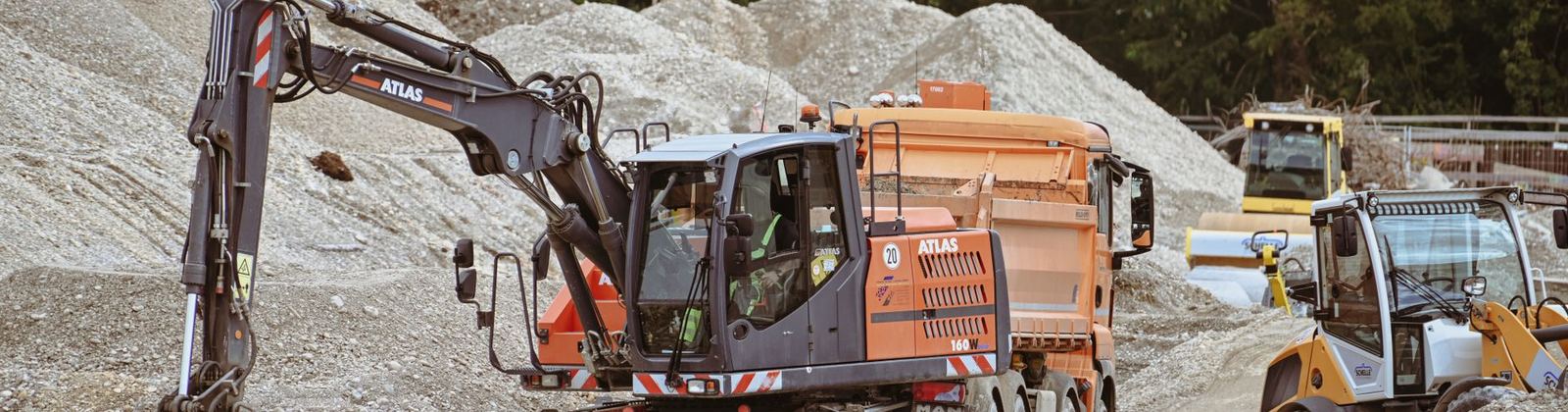
- Construction and heavy equipment
- Restaurant and commercial kitchen equipment
- Manufacturing and production machinery
- Medical, dental, and office equipment
- Computers, copiers, forklifts, and similar business tools
New and used equipment both qualify. The term a lender offers generally will not outlast the useful life of the equipment itself, since the collateral has to still be worth something on the day the loan is scheduled to pay off. A vendor quote on the equipment helps move the file faster, because it gives the lender an actual number to underwrite against instead of an estimate.
Taxes
Section 179 is worth asking your accountant about
Section 179 of the tax code allows many businesses to deduct the cost of qualifying equipment in the year it goes into service, instead of depreciating it in small pieces over several years. It is a real reason some owners finance equipment even when they could pay cash, since the deduction can offset a large purchase against that year's income.
What qualifies, the dollar limits, and how it applies to your business depends on your entity type, your income, and the tax year. Ask your accountant before you assume a deduction, not after the equipment is already financed.
Straight talk
Financing is not always the cheaper option
If you can pay cash for equipment without straining your working capital, that is usually cheaper than financing it. Financing adds interest and fees on top of the sticker price. It makes sense when spending that cash would leave you short for payroll or inventory, or when the equipment needs to be in your building now and the revenue to justify it is still a few months out.
A lease can make sense when the equipment goes obsolete fast, the way some computer and technology setups do, because you are not stuck owning something outdated. For equipment that holds its value and gets used for years, financing or a sale leaseback usually beats leasing over the long run.
Busy B Solutions does not lend directly. We place your file with lenders who structure financing, leasing, and leaseback programs, and we send it to the ones your file actually fits instead of the whole market at once.
Figures on this page are third party lender program ranges. They are subject to underwriting and approval and are not an offer or commitment to lend.
Common questions
Before you apply
Do I need to be profitable to qualify?
Profitability strengthens a file, but the equipment itself carries a lot of the weight in the decision. Programs generally ask for 1 year in business. Apply and you will get a straight answer about which lenders your file fits.
I already own the equipment outright. Can I still get cash from it?
Yes, that is what a sale leaseback is for. It sells the equipment you own to a lender and leases it back to you the same day, turning equipment on your balance sheet into cash in your account while you keep using it.
Does used equipment qualify?
Yes. New and used equipment both qualify. The lender will look at how much useful life the equipment has left, since the loan term generally will not outlast it.
What happens at the end of a lease?
It depends on the lease. Some let you purchase the equipment at the end for an agreed price. Others expect the equipment back. Read that term before you sign, since it changes whether leasing ends up cheaper or more expensive than financing.
Is the Section 179 deduction automatic?
No. It depends on your entity type, your income, and the tax year, and the rules change. Talk to your accountant before you count on it.
How fast is approval?
Programs run on terms up to 5 years once placed. Approval speed depends on the lender, the equipment, and your documentation, so ask about your specific file when you apply.
Find out what your equipment file qualifies for.
One application. We will tell you plainly whether financing, leasing, or a leaseback fits your equipment and your credit file.